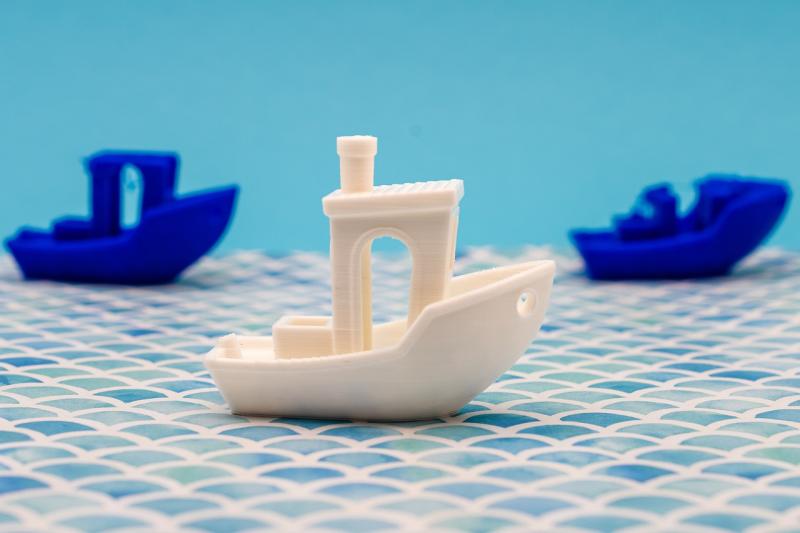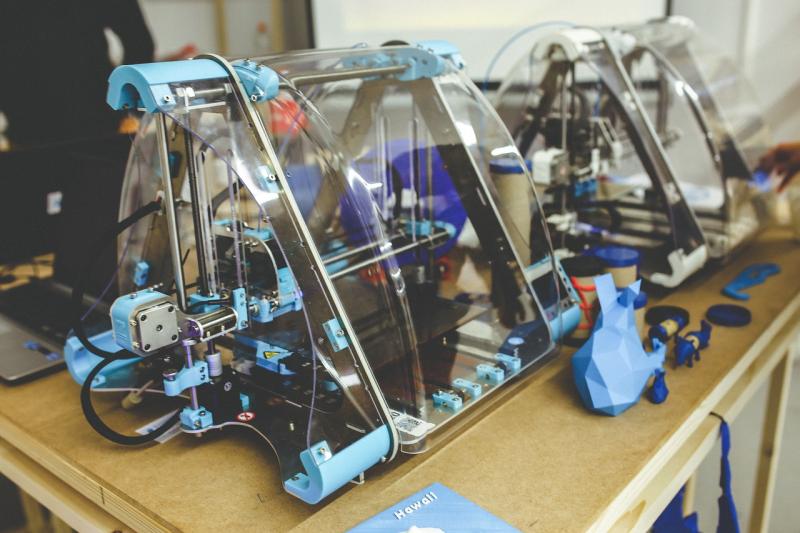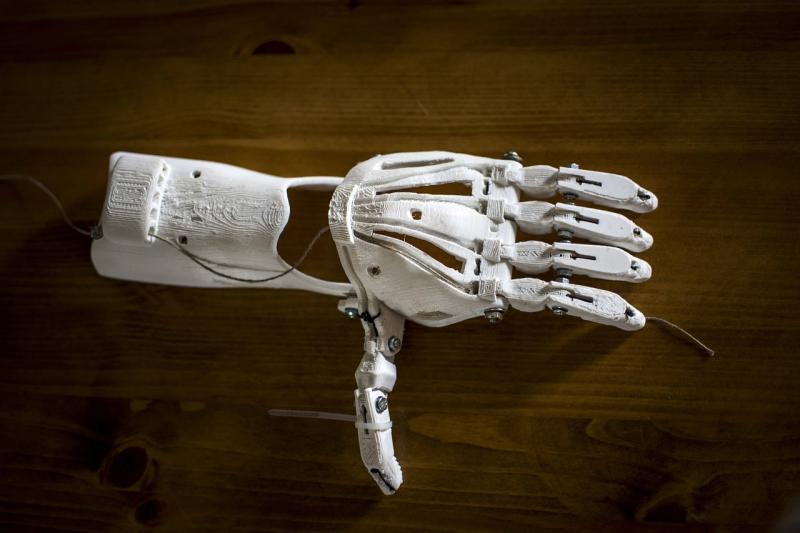
3D printing might sound like something out of a sci-fi movie, but it’s actually a super cool technology that anyone can dive into. Simply put, it creates three-dimensional objects from a digital file. You start with a design, and the printer builds it layer by layer using materials like plastic, resin, or metal. It's like magic, but it's really just technology doing its thing!
To start printing, you'll need a few essentials:
Once you have your printer and materials, it’s time to print! You’ll upload your design to the printer, hit that print button, and watch your creation come to life. It can take a few minutes to several hours, depending on the size and complexity of your object. And the best part? You can make just about anything, from custom toys to useful tools, or even art pieces!
Don’t forget, the learning curve can be steep at first. Don’t get discouraged if your first few prints don’t turn out perfectly. Experiment, tweak your designs, and keep at it! With a little practice, you’ll be making awesome products in no time.
Choosing the Right 3D Printer
Consider the type of materials you want to use. Some printers work with plastics, while others can handle metals or even resin. If you're working on functional parts, a printer that can handle stronger materials will be crucial. Take time to explore material compatibility before making a decision.
Print size matters too. Think about the maximum dimensions of the objects you'll be creating. If you're aiming for larger products, look for a 3D printer with a generous build volume. But if you’re focused on smaller items, you can save some money by going with a compact model.
Don't forget about the features. Some printers come with advanced options like dual extrusion, which lets you print with two materials at once. This can be handy for multi-colored prints or incorporating different material properties. Also, look for user-friendly interfaces and reliable connectivity options like Wi-Fi.
Finally, budget plays a key role. While you may be eager to invest in a high-end model, it's important to find something that fits your financial plan. Research a variety of brands and models. Don't skip reviews—learning from others’ experiences can guide your choice. You want a printer that meets your needs without breaking the bank.
Top Products for Your Business
Starting a small business with a 3D printer can be exciting and rewarding. Whether you're into custom products, spare parts, or unique gifts, picking the right printer makes all the difference. Here’s a look at some top products that can kickstart your entrepreneurial journey.
1. Creality Ender 3 V2: This is the go-to printer for many small business owners. It’s affordable, easy to set up, and produces high-quality prints. The community support is fantastic, so if you run into any issues, you can find help quickly. Plus, its upgrade potential means you won’t outgrow it anytime soon.
2. Prusa i3 MK3S+: If you want something that’s truly reliable, check out the Prusa i3 MK3S+. It’s a bit pricier but worth every penny. The print quality is top-notch, and it has smart features like a power recovery mode. Great for those who need consistent results.
3. Anycubic Photon Mono X: Dive into resin printing with the Anycubic Photon Mono X. This printer is perfect for high-detail projects, like miniatures or jewelry. It’s user-friendly and the print speed is impressive, so you can still meet those business deadlines.
4. Ultimaker S3: If your business leans towards professional-grade prints, the Ultimaker S3 is your best bet. It’s excellent for prototyping and comes with a large build volume. Plus, it supports a variety of materials, allowing you to create whatever your business needs.
Tips for Success in 3D Printing
Getting into 3D printing can be super exciting, especially if you're looking to start a small business. Here are some tips to help you hit the ground running and avoid any bumps along the way.
First off, invest in a good-quality printer. Look for something that fits your budget but also delivers reliable performance. The last thing you want is a printer that breaks down when you’re in the middle of an important project. Read reviews and talk to other users to find one that’s user-friendly and has a solid track record.
Next, don’t skimp on the materials. The type of filament or resin you use can make a huge difference in the final product. Experiment with different options to see what works best for your projects. It’s worth taking the time to find high-quality suppliers to keep your output professional and polished.
Practice makes perfect. Don’t be afraid to try new designs and test different settings on your printer. Gain hands-on experience and learn what works best for you. The more you print, the more you’ll understand the nuances of your machine and the materials you’re using. Plus, it’s a great way to build a portfolio of your work.
Finally, engage with the 3D printing community. Join forums, attend meetups, or follow social media groups. You can learn a ton from fellow enthusiasts and get tips on marketing your business. Plus, collaborations can open up new opportunities for you and your brand!